





darwink
Senior Member
Is a ghost town after 6 pm.midtown Manhattan
|
|
|
Is a ghost town after 6 pm.midtown Manhattan

Most definitely. The change year-by-year is pretty amazing even.That's so true. Before 2015 when downtown Calgary was low office vacancy and 130,000 office workers downtown, it was a place that was midtown Manhattan during the day and a ghost town after 6:00pm.
Now, I'm seeing more of a balance. The downtown isn't as busy during work hours, but is busier off hours. Is anyone else feeling that?

I would say that’s accurate. In those past 10 years, there’s around 4-5,000 new residents DT and another 10,000 in the Beltline. Just that alone has made a notable difference, and we’re going to see even more of a difference in 2-3 years when all the conversions are done and Plaza and Kings are completed.That's so true. Before 2015 when downtown Calgary was low office vacancy and 130,000 office workers downtown, it was a place that was midtown Manhattan during the day and a ghost town after 6:00pm.
Now, I'm seeing more of a balance. The downtown isn't as busy during work hours, but is busier off hours. Is anyone else feeling that?

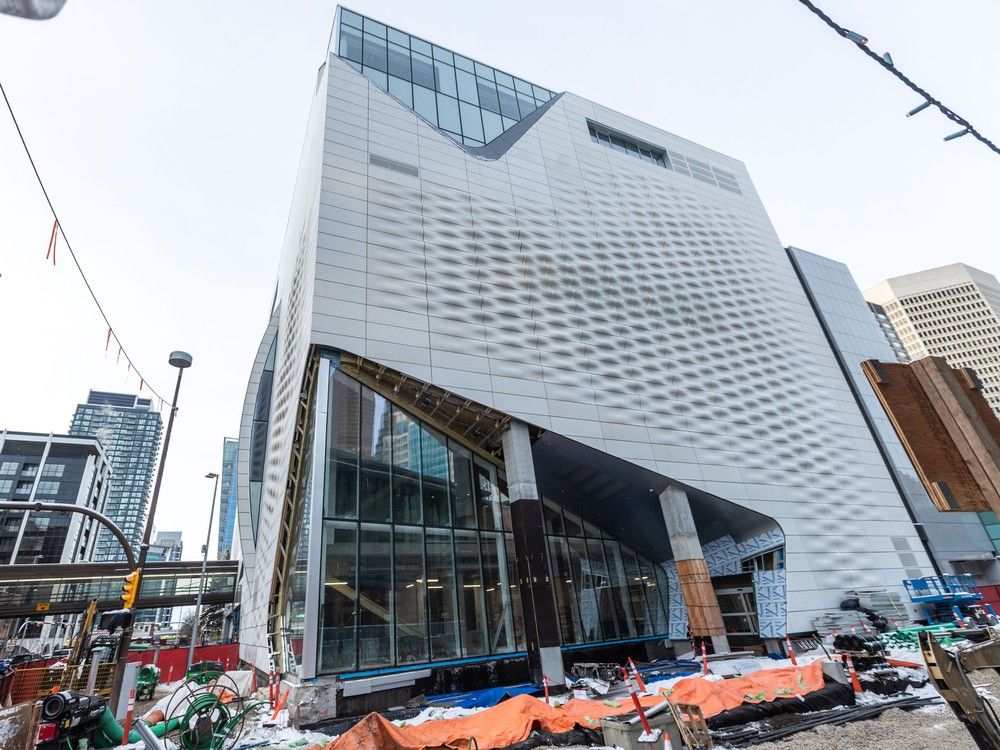
Opinion: Cultural institutions are the beating heart of Calgary
Museums, galleries can help save our ailing downtowncalgaryherald.com
This line from the article, kind of sums up the issue that has faced Calgary's downtown.
We designed downtown Calgary to be a place for efficient work, not a place for rich living.
Good find. The article makes its rounds every once in a while, and proves her point. Calgary's downtown has had a 30-40 year period of stripping out average multi-use buildings for office tower behemoths. Even the last buildings that were built did this, with Telus Sky, 707-5th and Brookfield Place. Same goes for Calgary city Centre and Jamieson Place. all of those buildings took out buildings that were active off hours.Stephanie White predicted this when it was just starting to take shape in an article from 1979:

That’s what I’m seeing. I can’t speak to daytime activity, but the downtown core is busier after hours, same for the Beltline. The Beltline is about twice as busy as it was 15 years ago.That's so true. Before 2015 when downtown Calgary was low office vacancy and 130,000 office workers downtown, it was a place that was midtown Manhattan during the day and a ghost town after 6:00pm.
Now, I'm seeing more of a balance. The downtown isn't as busy during work hours, but is busier off hours. Is anyone else feeling that?
To be fair not all of midtown Manhattan is a ghost town after hours. Times Square is the busiest place in Manhattan and 42nd Ave or 5th street are busy. The streets that are primarily office towers are dead though.Is a ghost town after 6 pm.

 www.ctvnews.ca
As office empty out in preparation for the long list of conversions wouldn't we expect the vacancy rate to jump? That square footage doesn't come off the vacancy unit it is back on the market as residential, correct?Office vacancy rate in Calgary climbs back over 30% in Q4
Calgary’s downtown office vacancy rate grew in the fourth quarter of 2025, rising to 30.4 per cent.
Office vacancy rate in Calgary climbs back over 30% in Q4
Calgary’s downtown office vacancy rate grew in the fourth quarter of 2025, rising to 30.4 per cent.
Most of the conversions are already empty, but the far bigger impact is consolidations. The conversions are taking the lowest quality office space off the market, and most have been vacant for a while. The mid to high end space is usually what is trading hands in these vacancy reports.As office empty out in preparation for the long list of conversions wouldn't we expect the vacancy rate to jump? That square footage doesn't come off the vacancy unit it is back on the market as residential, correct?
Some large spaces are coming on the market due to consolidations, and that won't end any time soon. It'll be a slow but steady process of office space coming vacant due to consolidations. The somewhat good news is that 1.7M sq ft will come off the vacancy total once those conversions are done. If my math is right that's almost 4% of the 44 Million Square feet, and the vacancy rate would drop from roughly 30 to roughly 26% Still high, but what we'll also see is the vacancy rate for AA and AA+ space dropping. currently at 17% and 10% respectively. Almost all of that space is in the eastern side of downtown. The cl;ass B and C spaces in the western side of downtown will continue to struggle, but a lot of the conversions are happening at that side, so we'll see that part of downtown changing to a more residential feel. I would say it already has.Most of the conversions are already empty, but the far bigger impact is consolidations. The conversions are taking the lowest quality office space off the market, and most have been vacant for a while. The mid to high end space is usually what is trading hands in these vacancy reports.

For now we should chill on the conversion subsidies. We're seeing a ton of conversions that will add a few thousand residents, let's let things soak in for a while. At the rate the vacancy is going, owners will probably do the conversion themselves.The big question is whether the city does a third round of subsidies?
I agree. I've been a supporter of the conversion subsidies, but we've done enough.For now we should chill on the conversion subsidies. We're seeing a ton of conversions that will add a few thousand residents, let's let things soak in for a while. At the rate the vacancy is going, owners will probably do the conversion themselves.
I say we spend the next round on other downtown improvements.