News   Apr 03, 2020
 7.2K     1 
News   Apr 02, 2020
 8.8K     5 
News   Apr 02, 2020
 5.3K     0 

Urban Development and Proposals Discussion

Ikea Shinjuku and Harajuku closed in Tokyo, so I don't expect it to be viable here considering the population density of Tokyo is extremely higher then here
Density probably matters less to them than how popular the store is, and how many potential customers they have within an hour of travel time.

Winnipeg has one, so maybe we could support two? Although both Vancouver and Montreal have two with significantly larger populations.
 
Density probably matters less to them than how popular the store is, and how many potential customers they have within an hour of travel time.

Winnipeg has one, so maybe we could support two? Although both Vancouver and Montreal have two with significantly larger populations.
I think it depends mostly on travel times. In Toronto they spread their stores at highway intersection that cater to each section of the GTA. The Ikea we have now is incredibly central that I doubt they're likely to build a new one anytime soon.
 
If Ikea were to move in, I doubt it would be an actual store but something like the "showroom only" type things they do in city centres, where they might have a smaller selection of homewares and customers can order furniture for delivery to their home from the Deerfoot Meadows warehouse.
 
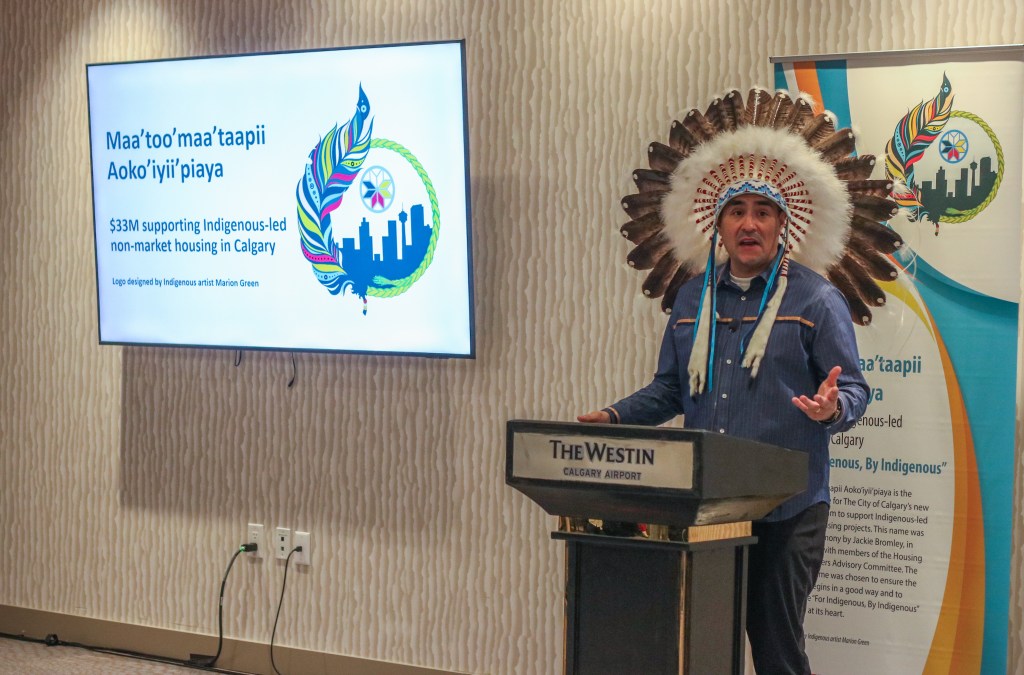
Could be some new, indigenous led projects coming forward. They could be a good partner to have for the old Hudson's Bay property, I'm just skeptical it is well suited to residential.

 
If Ikea were to move in, I doubt it would be an actual store but something like the "showroom only" type things they do in city centres, where they might have a smaller selection of homewares and customers can order furniture for delivery to their home from the Deerfoot Meadows warehouse.
Ya it's not a great location for high inventory turnover...I think they have access to an underground loading dock off 2nd St, but I'd imagine it's older freight elevator(s) that would have to run 24/7 with handjacks. Nevermind the logistics of customers with full/bulky carts.

It is weird and a bit sad how few realistic options there seem to be. I wonder if the event spaces would take on another floor? Or maybe a space for travelling exhibitions?
 
I think it has to be a mix of everything that has been proposed...

Ground level: A true public living room called "Stephen Avenue Commons"
Use the arcade edge as Calgary’s weather-protected promenade and fill that strip with uses that create “reasons to go” beyond shopping:
An experimental pop-up food hall + micro-retail (Leonard-like variety, but indoors): multiple small, more affordable spaces. You wouldn't be competing with anyone else downtown.
Experience-focused anchors at the corners (cafe; bar; showcase space for satellite post-secondary campus (read on))
A daily-programmed event spine: markets, mini-concerts, winter festival tie-ins, Indigenous makers weekends

Mid-levels (2–4): Education, innovation (Platform-like), and culture
Use these floors to drive daytime foot traffic:
Isn't CBE looking for more learning spaces? Could get them involved or could always go with a post-secondary satellite campus like AUA, SAIT or continuing education like Bow Valley College, can connect them with innovators in an incubation space
You can leverage those campuses for workforce training (digital skills, trades-adjacent programs, newcomer employment bridging)
Find education streams that could tie into the showcase space (exhibits, demos, “see what we're doing”)

Upper levels (5–6, and you could do something on the roof): Housing that brings people to the property at night
Use a couple floors for residential or even a hotel:
Use the large floor plate to your advantage, create a central space (with light wells, similar to what Glenbow just did) that shrinks the floor plate left over for mixed-income rentals
You could even include a student housing component or boutique hotel.
Add in a top floor or rooftop restaurant and event space (weddings, conferences, civic receptions), could also incorporate a rooftop garden (greenhouse-style), there would be some cool views of the city year-round

If you can break the floors and floor plate up and use incremental leasing, you don't need to eat an elephant in one bite. It will have to be a public–private partnership, especially if you're doing micro-retail and a hotel. It is important to not try and do everything right away, this can be a phased plan (so it doesn’t sit empty for years as the refined plan comes together)
Phase 0 (0–6 months): “In the meantime use” activation
Pop-ups (like River Hall but indoors (next winter): markets, art installations, social games space), it doesn't have to cost a lot but will get people in the door and using the space while the subsequent phases are refined.

Phase 1: Ground level
Get the ground-level “Commons” open first (fastest visible win).
Phase 2: Education floors
Bring in the weekday engine and these space could require less work than the housing or hotel.
Phase 3: Housing/hotel floors and rooftop
Finish with the components that will take the most work, by this time the building has momentum, and people will want to live or stay here.
 
Density probably matters less to them than how popular the store is, and how many potential customers they have within an hour of travel time.

Winnipeg has one, so maybe we could support two? Although both Vancouver and Montreal have two with significantly larger populations.
my bad I meant to say an urban format Ikea that members were discussing about, our hollow downtown could not sustain an Ikea if the one in inner Tokyo could not survive

Another suburban Ikea could definitely work though
 
my bad I meant to say an urban format Ikea that members were discussing about, our hollow downtown could not sustain an Ikea if the one in inner Tokyo could not survive

Another suburban Ikea could definitely work though
Well also Japanese families don’t consume in large amounts like a North American family does.That could also play a role in why it doesn’t work. Vancouver has a central Costco near BC Place that does well.
 
I always forget it isn't square. And I think the building was actually built in sections at different times. They obviously integrate well enough, but I'd like to look at a floor plan and see what it looks like with elevator shafts, etc.
Yes the Stephen ave side was built in one go, and 7th ave was in another go. The architectural difference is pretty apparent midway down the First Street facade. Even in aerials posted earlier in this thread actually.
 
Last edited:
my bad I meant to say an urban format Ikea that members were discussing about, our hollow downtown could not sustain an Ikea if the one in inner Tokyo could not survive

Another suburban Ikea could definitely work though
Also keep in mind the 2/3 locations that closed in Tokyo were probably a result of redundancy - all 3 stores were located within 4 train stops from each other (Shinjuku - Yoyogi - Harajuku - Shibuya)
 
my bad I meant to say an urban format Ikea that members were discussing about, our hollow downtown could not sustain an Ikea if the one in inner Tokyo could not survive

Another suburban Ikea could definitely work though
There's a lot of factors though. Japanese people have smaller homes, different competitive environment, rent is probably higher that it's likely more than just population density. Japanese IKEAs have a lot more smaller household items than furniture compared to Canada, so the average spend is going to be lower as well.
 

Back
Top